

Why Are Ordinary Months Actually Riskier for Your Finances?
In calm months with no financial pressure people stop tracking their spending‚ and small expenses quietly grow in the background.
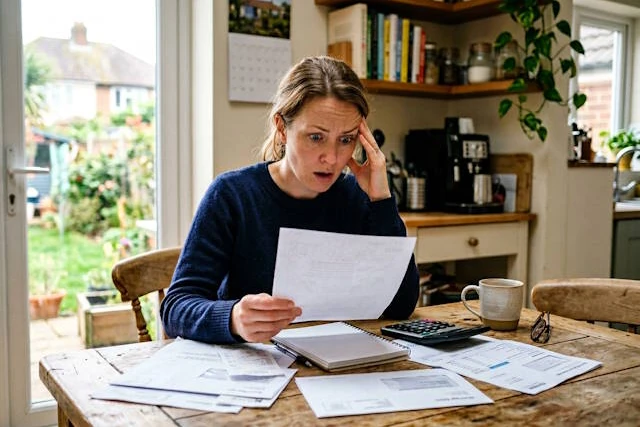
It is precisely when everything seems normal that many people allow themselves to stop tracking the small details of their finances. Income arrives in the bank account and expenses continue as usual‚ so there is a feeling that there is no need to look closer. When there is no immediate financial pressure‚ many people put off reviewing their monthly budget to a later date that never actually comes. Within this seemingly calm routine‚ small decisions pile up and gradually push total spending higher. This does not happen in a single day but builds up over months of completely ordinary life. Precisely because there is no dramatic warning sign‚ the process tends to go unnoticed until the gap is already obvious.
A Financial Routine That Hides Cumulative Processes
A stable financial routine can create a sense of security that leads to less attention being paid to the small details of your finances. When a salary comes in every month and nothing unusual happens‚ many people assume there is no need to check the full picture often. As a result‚ small expenses are not examined closely or seen as something that needs to change. Over time‚ the accumulation of small purchases can significantly change the monthly balance. The problem is that the change happens gradually and so is not noticed right away. Only after several months does it become clear that the total is higher than it first seemed.
Small Expenses and the Feeling That They Do Not Matter
Small daily purchases can seem unimportant when viewed individually. A cup of coffee on the way to work‚ a small online order or another digital service do not look like big expenses. But when these actions are repeated again and again‚ they add up to significant sums over a whole month. Many people never total up their small expenses and so are unaware of their true scale. This creates the impression that the budget is under control even though reality is slightly different. Understanding this accumulation is an important part of responsible money management.
A Sense of Security That Leads to Less Careful Decisions
When the financial situation seems relatively stable‚ many people make purchasing decisions less carefully than they would in more challenging times. The feeling that everything is running as usual reduces the urge to check each expense before making it. This leads to small purchases being made without considering whether they are really needed. Over time these decisions add up to a bigger impact on the monthly budget. The sense that the sums involved are small makes it hard to spot the process in real time. Only later does it become clear that total spending has gradually grown.
No Ongoing Tracking of Your Financial Situation
Regularly tracking income and expenses makes it possible to understand the full financial picture in real time. Without this tracking‚ a gap can open up between how people feel about their finances and the actual numbers. Many people rely on a general sense of their financial situation instead of checking precise figures. This can lead to decisions that do not match the true state of the budget. Over time the gap between perception and reality may widen. Ongoing review is an important tool for preventing unpleasant surprises in the future.
Financial Awareness in Ordinary Months
It is precisely in routine periods that it is important to stay highly aware of your finances. When there is no special pressure‚ you can review expenses calmly and identify recurring patterns. This kind of review shows which purchases recur and which expenses are not essential. That awareness helps you make more precise decisions about the monthly budget. Over time it makes it possible to maintain a more stable financial balance. Taking a conscious look at your financial routine is a key tool for responsible money management.
Summary
Ordinary months can be more challenging financially precisely because they show no clear signs of pressure or change. A sense of stability can lead to less attention being paid to the small details of the monthly budget. Within that routine‚ small decisions pile up and create significant change over time. Awareness of everyday habits makes it possible to identify these processes earlier. Keeping regular track of expenses helps maintain financial stability over the long term.