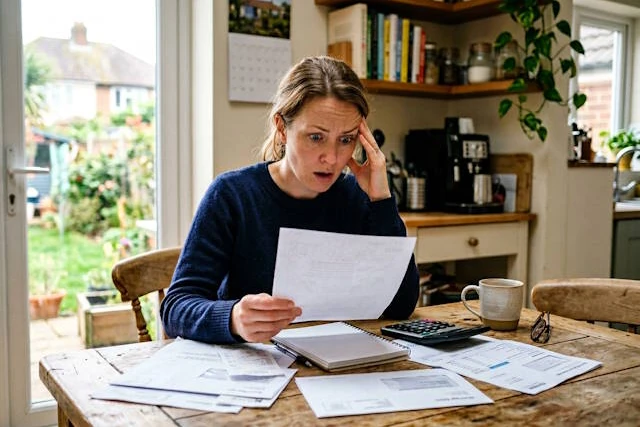

Ignore the Small Expenses and They Come Back Big
A coffee‚ a snack or one more subscription seems trivial‚ yet over a month these small purchases add up to a noticeable sum.
Small expenses are often ignored because it feels unnecessary to scrutinize every single purchase. When an amount seems relatively low‚ it is not seen as a threat to the overall budget. As a result‚ small purchases are made almost automatically. When these actions are repeated over many weeks‚ they build up significantly. Only on closer inspection does it turn out that the total is far larger than it first seemed. Understanding this dynamic can change the way people look at how they manage their money.
Daily Purchases That Seem Meaningless
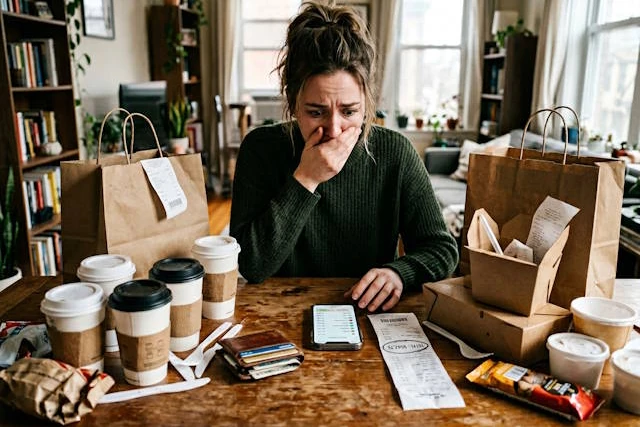
Many people make several small purchases during the day that do not seem particularly significant. A drink at a café‚ a small snack at a gas station or another digital service are common examples. Each of these purchases seems negligible when viewed on its own. That feeling makes it seem unnecessary to think it through before buying. But when the action is repeated many times over the month‚ it adds up to a larger amount. The full picture only becomes clear when you look at all the expenses together.
Gradual Accumulation Over Time
When small expenses happen again and again‚ they create a cumulative process that is not felt right away. A small amount that seems insignificant on a single day can grow into hundreds of shekels by the end of the month. The process happens gradually and so does not draw much attention in real time. Many people keep the same buying habits because the immediate impact seems negligible. Only later does it become clear that the accumulation has made a significant difference to the monthly budget. Understanding this dynamic can help identify financial patterns early.
Convenience That Leads to Repeat Purchases
When a purchase is made several times‚ it starts to feel like a natural habit that needs no second look. That habit means the action is carried out almost automatically without further thought. This makes it hard to recognize the financial impact of the expense over time. Many people do not notice how many times the same action is repeated within a single month. The habit becomes part of the daily routine and so is not seen as a significant expense. Only when you look at all purchases together does the full picture emerge.
Periodic Review of Spending Patterns
One way to understand the significance of small expenses is to review all purchases periodically. When the data is examined in an organized way‚ you can see which expenses recur most often. This review shows how small amounts accumulate over time. It also makes it possible to identify habits that are not necessarily needed. With this information you can make more conscious decisions about your finances. The process does not require giving up small purchases completely‚ but it helps you understand what they really cost.
Financial Planning Built on Attention to Detail
Managing a budget effectively sometimes means paying attention to even the smallest expenses. When you treat them as part of the overall picture‚ you can see how they affect the monthly balance. Attention to detail makes it possible to set financial priorities more precisely. Instead of focusing only on large expenses‚ you can see every component of the budget. This approach helps maintain financial balance over time. It also shows how small decisions affect the overall result.
Summary
Small expenses can seem meaningless when viewed on their own‚ but over time they add up to significant sums. The process happens gradually‚ so many people do not notice it in real time. A periodic review of spending habits makes it possible to see the full financial picture. Awareness of the small details can improve the way you manage money over time. Once you understand how the accumulation works‚ you can make more precise decisions about your monthly budget.