
What Makes an Ordinary Neighborhood a Place You Love Coming Home To?
Walkable streets‚ lively public spaces and a sense of community together turn an ordinary neighborhood into a pleasant place to live.
It is sometimes hard to pin down exactly what makes one neighborhood feel more pleasant and welcoming than others. Many people only discover it after living somewhere for a while. The feeling comes from a combination of public spaces‚ relationships between neighbors and everyday convenience. When streets are well planned and full of pleasant activity‚ the area feels alive. On the other hand‚ when the surroundings feel detached or overcrowded‚ it is much harder to enjoy being there. That is why it is worth looking at the elements that shape a neighborhood's overall atmosphere.
Pleasant Streets That Invite Daily Walks
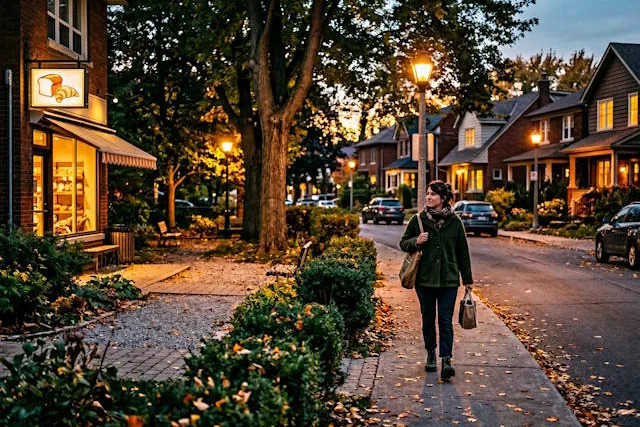
One of the key elements of a comfortable neighborhood is the way its streets are designed and maintained. Wide sidewalks‚ shade trees and room to walk create an environment that encourages people to get around on foot. When residents can head out for a short evening stroll‚ the street comes to life. It becomes a natural meeting place for neighbors and locals. A sense of safety and comfort in public space has a strong effect on the neighborhood's overall atmosphere. A street that is pleasant to walk along changes the whole experience of living there.
A Local Community That Creates a Sense of Belonging
Beyond buildings and streets‚ the human atmosphere of a neighborhood has a big influence on how residents feel. When people know one another‚ a sense of belonging develops that gives the place they live extra meaning. Chance encounters on the street‚ brief conversations and community activities build connections between residents. This makes the neighborhood feel more like an extended home. People tend to enjoy living in a place where there is a sense of community. Social ties add depth to the experience of living there.
Public Spaces That Make Everyday Encounters Possible
Small parks‚ community gardens and street seating create opportunities for informal encounters between residents. When there is somewhere to sit‚ chat or let the children play‚ public space fills with natural activity. That activity gives the neighborhood a sense of life and human presence. People feel more comfortable spending time in such spaces when they are well maintained. Public spaces become a hub of everyday life rather than just a passage between homes. The result is a neighborhood that is pleasant to spend time in outside your own front door.
Everyday Convenience Through Thoughtful Planning
A pleasant neighborhood is built not only on a sense of community but also on everyday convenience. Being close to small shops‚ local services and public transport can affect residents' quality of life. When daily errands do not require a long drive‚ life feels noticeably easier. People can take care of small tasks within the neighborhood itself. This convenience reduces stress and leaves more time to enjoy home. Smart urban planning contributes a great deal to the overall atmosphere of a neighborhood.
Summary
A pleasant neighborhood depends not only on how its buildings look but on a wide mix of environmental and human factors. Walkable streets‚ active public spaces and a sense of community together create a place you are glad to return to at the end of the day. Everyday convenience and connections between residents give a neighborhood its unique character. When all these elements work together‚ the result is a pleasant and inviting place to live. The feeling of home is not limited to the apartment itself but extends to the whole neighborhood.