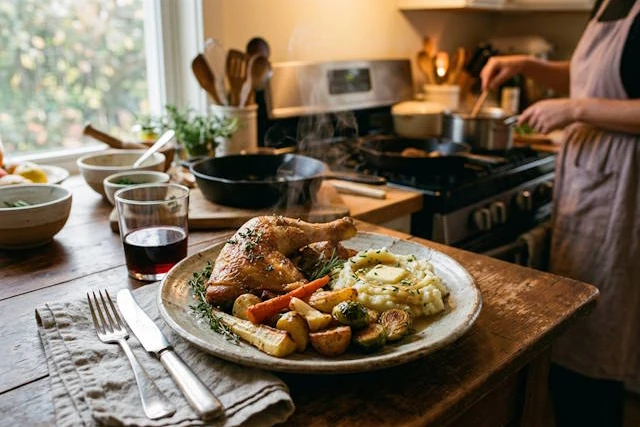

The Small Mistake That Dries Out a Dish That Could Have Been Perfect
A dry dish usually comes from small mistakes: the wrong heat‚ poor timing of ingredients‚ the way they are cut or too little liquid.
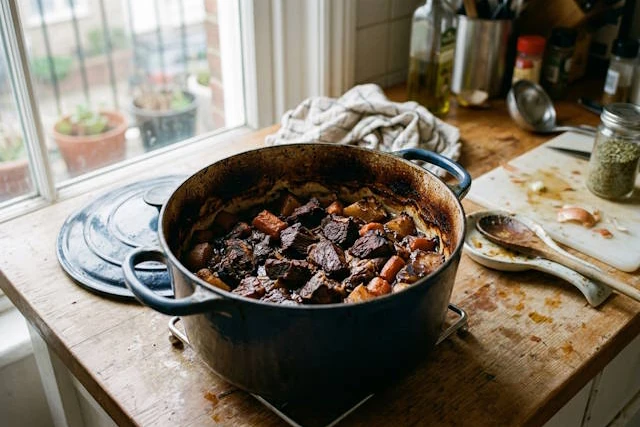
When you look closely at the cooking process‚ it becomes clear that most dishes depend heavily on the right balance between time and heat. Cooking too briefly can leave ingredients not fully done‚ but cooking too long can damage their natural texture. Sometimes the difference between a successful result and a dry one is just a matter of minutes. In addition‚ the way ingredients are cut and the stage at which they go into the pot can also affect how moist the dish is. Paying attention to these details helps preserve natural juiciness throughout the process. This way you can reach a result that feels fuller in flavor and texture.
Controlling the Cooking Temperature
One of the main causes of a dry dish is a cooking temperature that does not suit its ingredients. When the heat is too high‚ the ingredients lose liquid far too quickly. This damages the inner texture of the ingredient and makes it feel drier when eaten. A balanced temperature‚ by contrast‚ allows liquids to stay inside the ingredients for longer. The result is juicier. Controlling the temperature is an important part of a successful dish.
Timing the Stages of Preparation Correctly
The order in which different ingredients are added during cooking affects the final texture of the dish. When a delicate ingredient goes into the pot too early‚ it can overcook. This causes it to lose liquid and become drier. When it is added at a later stage‚ its natural moisture is preserved. Precise timing allows each ingredient to reach the right texture at the right moment. This keeps all parts of the dish in balance.
How the Ingredients Are Cut
The way ingredients are cut also affects how moist the dish is. Pieces that are too small cook very quickly and may lose liquid faster. Larger pieces retain their inner texture for longer. That is why it is important to match the size of the cut to the type of ingredient and the cooking method. This helps maintain a balance between tenderness and juiciness. The result is more pleasant to eat.
Using Liquids Correctly While Cooking
Liquids such as stock‚ sauce or water can change the texture of a dish significantly. When liquids are added in the right amount‚ the different ingredients keep an even level of moisture. A lack of liquid‚ on the other hand‚ can cause parts of the dish to dry out. Liquids also help the flavors spread more evenly. This creates a richer culinary depth. Getting the amount of liquid right is a key part of successful cooking.
Summary
A dry dish is sometimes the result of a small mistake in the cooking process rather than the ingredients themselves. Controlling the temperature‚ timing the stages correctly and using liquids precisely can change the final result. When every ingredient gets the right treatment‚ the dish keeps its natural juiciness. Attention to small details makes a big difference to the eating experience. This way you can reach a result that is fuller in flavor and texture.